Democracy's Strangest Glitch: When Dead Candidates Keep Winning Elections
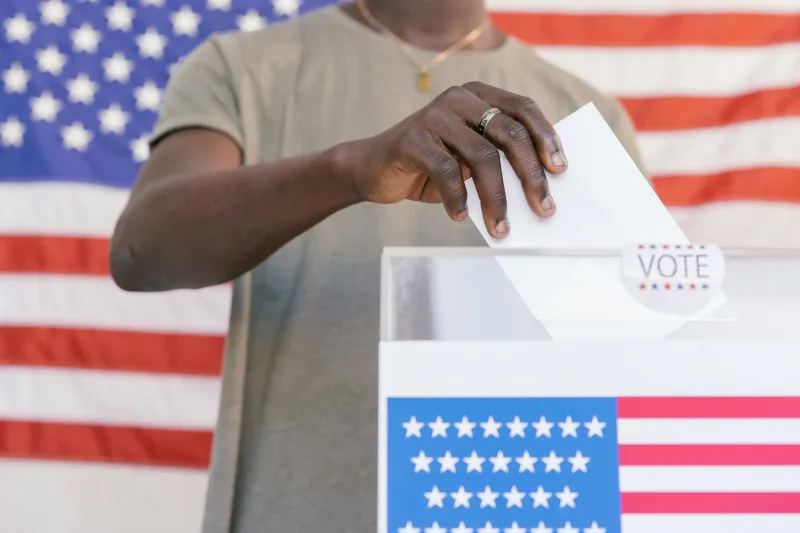
When the Grave Can't Stop a Political Career
Imagine showing up to vote and discovering your preferred candidate died three weeks ago — but their name is still on the ballot. Now imagine that dead candidate wins by a landslide. Welcome to one of American democracy's most bizarre recurring glitches.
This isn't some ancient political oddity. It's happened dozens of times across the United States, creating legal nightmares and forcing courts to answer questions the Constitution never anticipated: Can a corpse hold office? Who gets the job when voters choose someone who's literally unable to serve?
The Senator Who Won From Beyond
The most famous case happened in Missouri during the 2000 Senate race. Mel Carnahan, the Democratic governor running against incumbent Republican John Ashcroft, died in a plane crash just three weeks before Election Day. Too late to change the ballots, Carnahan's name remained, and his campaign made a remarkable decision: they kept running.
His widow, Jean Carnahan, announced she would accept an appointment to the seat if voters chose her deceased husband. The strategy worked. Dead Mel Carnahan defeated very-much-alive John Ashcroft by over 49,000 votes, making him the first posthumously elected U.S. Senator in American history.
The legal aftermath was fascinating. Since dead people can't technically hold office, Missouri's governor appointed Jean Carnahan to fill the seat her husband had "won." Ashcroft, who later became U.S. Attorney General under George W. Bush, had the distinction of losing to a corpse.
Small Towns, Big Surprises
But Missouri wasn't an isolated incident. In 2018, Dennis Anderson won re-election to the Worden, Illinois village board — despite dying four months before the election. Voters knew he was dead but chose him anyway, forcing the town to figure out what happens next. (Answer: they held a special election.)
Tracy, California witnessed similar chaos in 2004 when deceased candidate Steve Souza won a city council seat. His death came so close to Election Day that removing his name would have required reprinting thousands of ballots at enormous cost. Voters elected him posthumously, creating weeks of legal confusion.
The Psychology of Voting for Ghosts
Why do voters choose dead candidates? The reasons are surprisingly rational. In Carnahan's case, voters understood they were really choosing his wife and political legacy. In smaller elections, voters sometimes prefer a deceased candidate they trusted over living opponents they don't know or don't like.
"It's not that people are confused," explains political scientist Dr. Michael McDonald. "They're making strategic choices. A dead candidate can't make bad decisions, can't be corrupted, and often represents continuity of policies they supported."
Legal Limbo and Constitutional Confusion
These victories create immediate constitutional crises. The 14th Amendment requires elected officials to take an oath of office — something dead people struggle with. Most states have developed procedures for these situations, typically involving special elections or gubernatorial appointments, but the specifics vary wildly.
In some states, the deceased candidate's party gets to choose a replacement. Others require immediate special elections. A few have no clear process at all, leaving election officials to improvise solutions on the fly.
The Strangest Democracy in the World
These incidents reveal something profound about American democracy: it's simultaneously incredibly robust and surprisingly fragile. The system can handle voters choosing dead candidates, but it requires creative legal gymnastics to make it work.
Perhaps most remarkably, these elections often see higher-than-average voter turnout. The novelty factor draws people to the polls, creating the paradox where death actually energizes democratic participation.
When Tragedy Meets Bureaucracy
The phenomenon highlights the collision between human tragedy and electoral machinery. When candidates die close to elections, the democratic process must continue, creating situations that would seem absurd if they weren't documented historical fact.
These stories persist because they capture something essentially American: the belief that democracy should reflect the will of the people, even when that will defies logic, law, or the basic requirements of being alive. In a country that's elected everything from dogs to dead people, perhaps voting for corpses isn't the strangest thing we've done — it's just the most legally complicated.
The next time you complain about your ballot choices, remember: at least they're all breathing.