Democracy Behind Bars: The Convicted Mayor Who Governed From Prison
The Mayor Who Couldn't Campaign
James "Big Jim" Patterson had governed Hilldale, Missouri (population 847) for twelve consecutive years when federal prosecutors charged him with mail fraud in 2003. The beloved mayor, known for his annual pancake breakfasts and aggressive pothole repair program, had allegedly skimmed $30,000 from a rural development grant intended for the town's water system.
 Photo: James Patterson, via www.jamespatterson.com
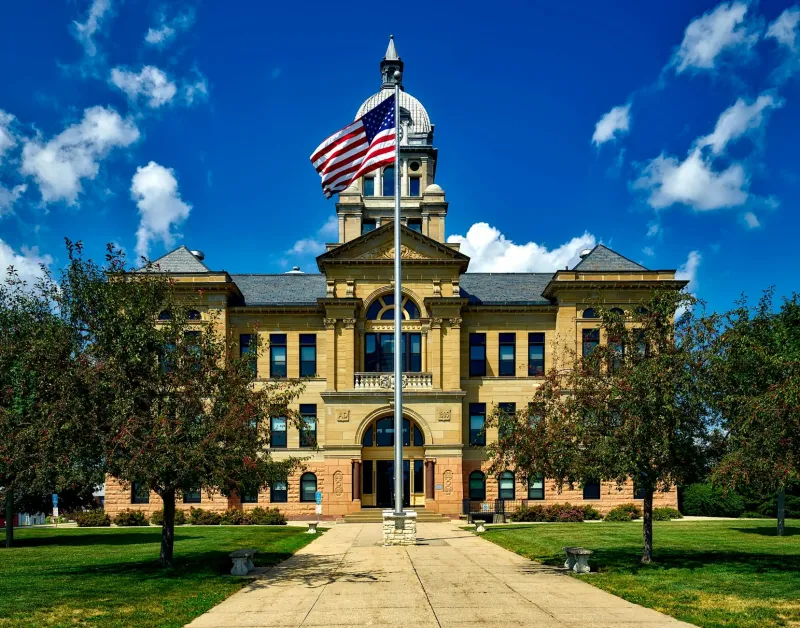
 Photo: Hilldale, Missouri, via hilldale.com
Patterson maintained his innocence throughout the trial, but a federal jury disagreed. In October 2004, Judge Patricia Williams sentenced him to 24 months at the Federal Correctional Institution in nearby Jefferson City — with one crucial detail that would complicate everything: his prison term would overlap with Hilldale's mayoral election by six months.
 Photo: Federal Correctional Institution in Jefferson City, via theprisondirect.com
The Campaign From Cell Block C
Most politicians would have resigned in shame. Patterson, however, filed for re-election from his prison cell, submitting the paperwork through his attorney just before the December deadline. Missouri election law, it turned out, contained no provision preventing incarcerated felons from seeking municipal office.
"We checked the statutes three times," recalled County Clerk Dorothy Mason. "Convicted felons can't vote, but apparently they can run for mayor. Nobody thought to close that loophole."
Patterson's campaign was unlike anything in American political history. Unable to appear at town halls or kiss babies, he conducted his entire re-election effort through handwritten letters distributed by supporters. His campaign slogan — "Still Fighting for Hilldale" — appeared on homemade yard signs throughout the tiny farming community.
The Opposition That Never Materialized
Despite the scandal, no serious challenger emerged to oppose Patterson. Local business owner Carol Henderson briefly considered running but withdrew after receiving anonymous phone calls questioning her loyalty to the town. The only other candidate on the ballot was 19-year-old college student Marcus Webb, who filed as a joke and promptly forgot about it.
"I was studying for finals when someone told me I might actually win," Webb recalled years later. "I had to Google what mayors actually do."
Patterson's supporters organized with military precision. The "Friends of Big Jim" committee, led by his wife Martha, held weekly strategy sessions at the local diner. They argued that their mayor's conviction was a federal overreach designed to punish small-town independence.
Election Night at the Penitentiary
On election day, Hilldale voters delivered a stunning rebuke to federal justice. Patterson received 412 votes — nearly 75% of the total — easily defeating Webb and two write-in candidates. The victory margin was so decisive that local newspapers struggled to find disappointed voters to interview.
"Jim fixed our roads when the county wouldn't," explained voter Helen Kowalski. "So what if he took a little money? He earned it."
Prison officials, unprepared for the media attention, initially refused to allow Patterson to give a victory speech. After intervention from his attorney, they permitted a five-minute phone interview with the local radio station, conducted from the warden's office.
Governing Through Plexiglass
Patterson's second term created unprecedented logistical challenges. City council meetings were held via conference call, with the mayor participating from the prison's legal phone. Official documents required a complex chain of custody involving Patterson's attorney, the prison mail system, and the city clerk.
The arrangement violated numerous protocols but somehow remained legal. The Missouri Attorney General's office issued a strongly worded opinion questioning the propriety of the situation but acknowledged they had no authority to intervene in local elections.
"We were basically running the city government through a correctional facility," admitted City Attorney Robert Chen. "I spent more time at that prison than some of the inmates."
The Administrative Nightmare
Routine mayoral duties became elaborate productions. When Hilldale needed to sign an emergency snow removal contract during the blizzard of 2005, Patterson had to review the documents during visiting hours, sign them under guard supervision, and have them notarized by a prison official before they could take effect.
State auditors, tasked with reviewing municipal finances, found themselves conducting interviews in a prison visiting room. The surreal scene of government accountants questioning an incarcerated mayor about budget allocations made national news.
"I've audited cities with corrupt officials before," said state examiner Linda Rodriguez. "But I'd never audited one where the corruption was being investigated by the FBI while the mayor was serving his sentence and still making budget decisions."
The Early Release That Ended Everything
Patterson's unconventional administration ended abruptly in August 2005 when he was granted early release for good behavior. His return to Hilldale was met with a hero's welcome — and immediate calls for his resignation from newly vocal critics who had remained silent during the election.
The experience had changed him. Patterson served out his remaining term but declined to seek re-election in 2006, citing family considerations and "a desire to return to private life." He was succeeded by Carol Henderson, who ran unopposed on a platform of "normal governance."
The Legal Legacy
The Patterson case prompted Missouri lawmakers to close the loophole that had made his prison mayoralty possible. The "Hilldale Amendment" now prohibits anyone serving a felony sentence from holding municipal office, though it includes a grandfather clause that would have allowed Patterson to finish his term had he chosen to run again.
Legal scholars still debate whether Patterson's election represented democracy at its most pure or most perverse. "The voters knew exactly what they were getting," argues constitutional law professor Dr. Amanda Foster. "In a strange way, it was the most transparent election in American history."
Today, Hilldale operates with conventional leadership and normal city council meetings. But residents still speak fondly of their brief experiment with correctional democracy — and the mayor who proved that even prison bars couldn't stop small-town politics.