When Ecuador's Voters Decided a Foot Powder Could Run City Hall Better Than Politicians
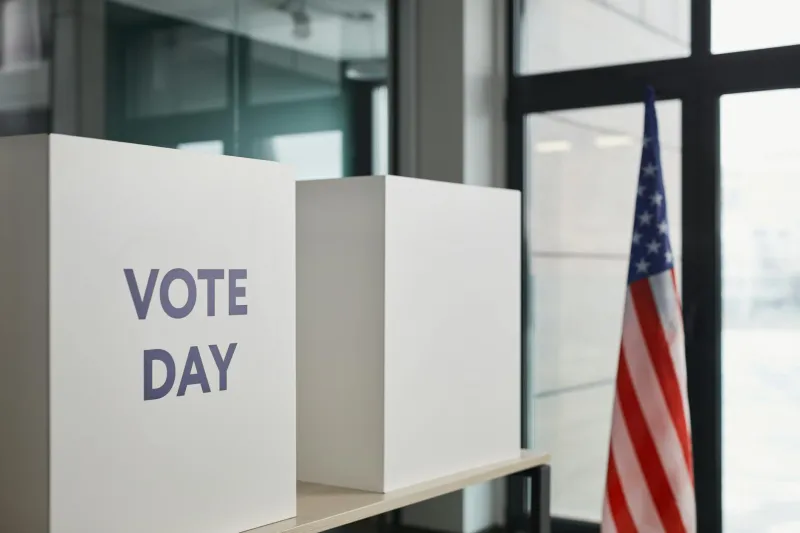
Picture this: you're a city clerk in a small South American town, and you've just finished counting ballots for the mayoral election. The winner? A cartoon character created to sell foot deodorant powder. Welcome to the most bizarre electoral crisis in modern democratic history.
The Campaign That Nobody Saw Coming
In 1967, the sleepy town of Picoaza, Ecuador, was gearing up for what should have been a routine mayoral election. The usual suspects were running – local business owners, former officials, the kind of people who show up to every town hall meeting. But lurking in the background was an advertising campaign that would accidentally rewrite the rules of democracy.
Pulvapies, a popular foot powder brand, had been running cheeky radio ads across Ecuador with a simple message: "Vote for any candidate, even Pulvapies." The slogan was meant to be tongue-in-cheek, a way to suggest their product was so reliable and trustworthy that it could handle any job – even running a town.
The advertising executives who dreamed up this campaign probably thought they were being clever. After all, who would actually vote for a foot powder?
When Satire Meets the Ballot Box
As it turns out, the people of Picoaza had a sense of humor – or perhaps they were just fed up with their political options. When election day arrived, something unprecedented happened: enough voters actually wrote in "Pulvapies" to win the race.
This wasn't a case of a few protest votes or a statistical fluke. The fictional mascot received a genuine plurality of votes, beating out every flesh-and-blood candidate on the ballot. Suddenly, the joke wasn't funny anymore – it was a constitutional nightmare.
Imagine being the election official who had to call the company headquarters: "Congratulations, your foot powder just won our mayoral election. When can it be sworn in?"
The Governing Crisis Nobody Planned For
What followed was the kind of bureaucratic scramble that would make Kafka proud. Local officials found themselves facing questions no civics textbook had ever addressed: Can a fictional character take an oath of office? Who signs municipal documents when the mayor is a cartoon mascot? How do you impeach someone who doesn't technically exist?
The situation created a genuine governing vacuum. Picoaza needed leadership – roads to maintain, budgets to approve, civic disputes to resolve. But their duly elected mayor was a marketing gimmick with no physical form, no political platform, and no ability to show up to work.
City lawyers scrambled through legal precedents, searching for any guidance on what happens when voters elect someone who isn't actually someone. The Ecuadorian constitution, like most democratic documents, had been written under the assumption that elected officials would be, you know, actual people.
When Marketing Meets Municipal Law
The Pulvapies company found themselves in an equally awkward position. Their clever advertising campaign had succeeded beyond their wildest dreams – or nightmares. They now technically had an elected official on their payroll, even if that official was a cartoon character designed to sell foot deodorant.
Company executives had to navigate uncharted legal territory. Were they now responsible for municipal governance? Could they be held liable for the town's decisions? What happens when your marketing mascot has actual civic duties?
The absurdity reached peak levels when officials had to seriously discuss whether the company could appoint a human representative to act on behalf of their fictional mayor, essentially creating the world's first corporate-sponsored municipal government.
The Resolution That Made Nobody Happy
Eventually, cooler heads prevailed, and local authorities found a way to invalidate the election results. They ruled that since Pulvapies wasn't a registered candidate and didn't meet the basic requirements of being a human being, the votes cast for the mascot were invalid.
A new election was held with actual human candidates only, and democracy limped back to normalcy in Picoaza. But the damage to everyone's faith in the electoral process – and the power of advertising – had been done.
The Lesson That Echoed Across Continents
The Pulvapies incident became a legendary cautionary tale that spread far beyond Ecuador's borders. It highlighted the unexpected consequences of political satire and the dangerous power of effective marketing. More importantly, it showed how quickly democracy can stumble when voters decide to treat elections as a joke.
The story resonated particularly strongly in an era when political outsiders and unconventional candidates were gaining traction worldwide. If a foot powder could accidentally win an election, what did that say about the state of traditional politics?
Today, the tale of Pulvapies serves as both a humorous footnote in electoral history and a sobering reminder of how fragile democratic institutions can be. Sometimes the most important civic lessons come from the most ridiculous circumstances – like when an entire town has to pause and collectively wonder whether deodorant powder is qualified to balance a municipal budget.
The next time you see a cheeky political advertisement, remember Picoaza: sometimes voters are listening more carefully than anyone expects.