Monkey See, Monkey Sue: The Crested Macaque Who Sparked a Federal Copyright Battle
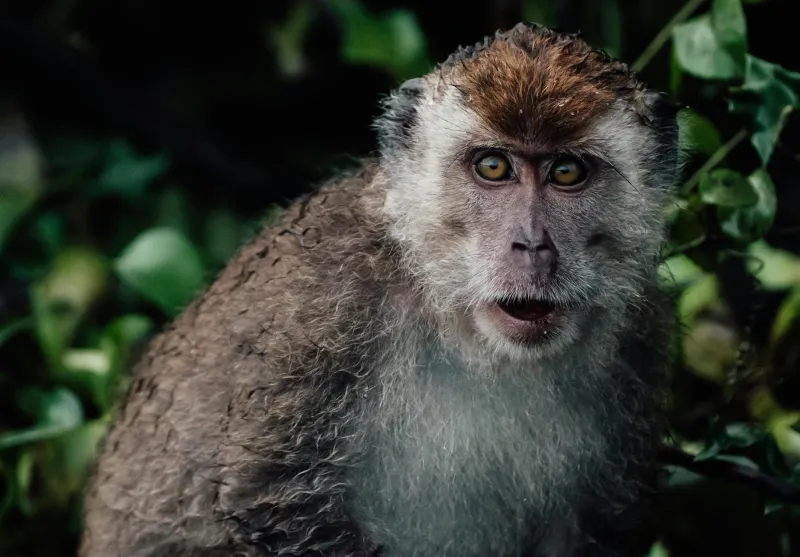
The Selfie That Launched a Thousand Legal Briefs
In 2011, British wildlife photographer David Slater was documenting crested macaques in the jungles of North Sulawesi, Indonesia, when he made a decision that would haunt him for years: he left his camera unattended. What happened next sounds like the setup to a joke, but it became one of the most seriously debated copyright cases in American legal history.
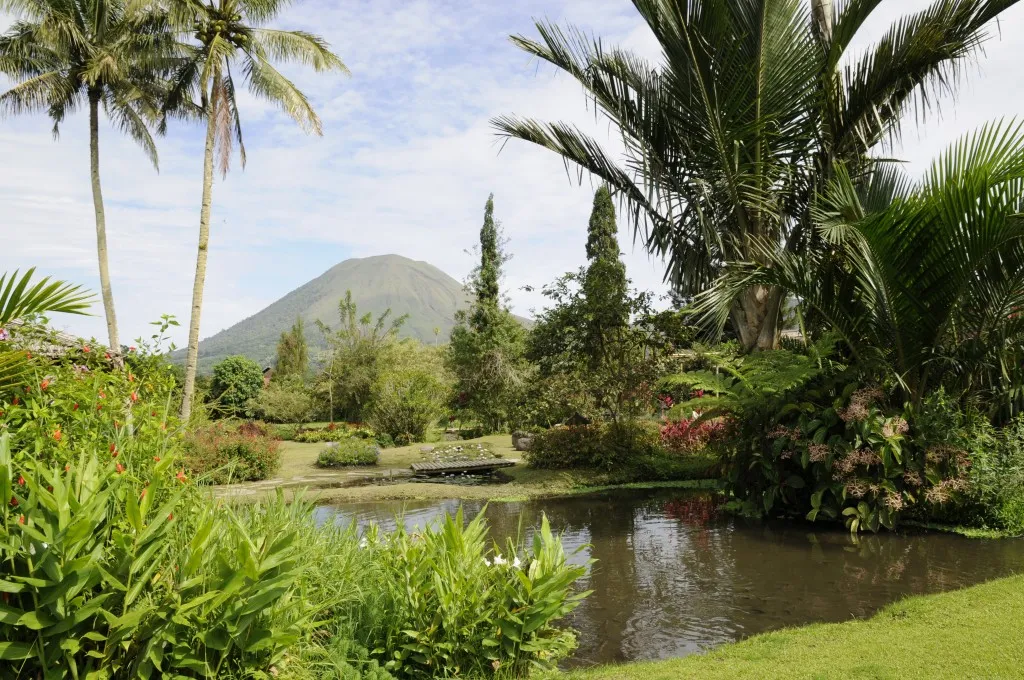 Photo: North Sulawesi, via www.planetstillalive.com
 Photo: David Slater, via yt3.googleusercontent.com
A curious macaque named Naruto discovered the abandoned camera and, apparently fascinated by his own reflection in the lens, began pressing buttons. Among the hundreds of blurry, off-kilter shots the monkey produced were several stunning self-portraits — including one perfect selfie that would soon become famous worldwide.
 Photo: Naruto, via i.pinimg.com
From Jungle Snap to Viral Sensation
The image was remarkable: Naruto grinning directly at the camera with an expression that seemed almost human in its playful confidence. When Slater published the photo, it immediately went viral, appearing on websites, social media, and news outlets around the globe. Everyone loved the monkey's selfie.
Everyone, that is, except Slater, who watched helplessly as his photograph spread across the internet without compensation. He claimed copyright ownership, but the situation quickly became complicated when people began questioning whether he could own rights to a photo he didn't actually take.
Enter PETA: Animal Rights Meets Intellectual Property
In 2015, People for the Ethical Treatment of Animals (PETA) filed a federal lawsuit that would make legal history. But they weren't suing on Slater's behalf — they were suing on behalf of Naruto the monkey, claiming the macaque owned the copyright to his own selfie.
The lawsuit argued that since Naruto had operated the camera and composed the shot, he should be considered the photograph's author under U.S. copyright law. PETA requested that they be appointed as Naruto's legal representative to manage his intellectual property rights and collect royalties for his benefit.
The Court Case That Broke Common Sense
Federal Judge William Orrick found himself presiding over arguments that would have sounded absurd in any other context. PETA's lawyers seriously argued that the Copyright Act's use of the word "author" didn't explicitly exclude non-human creators. They cited the law's broad language and insisted that if Naruto had the cognitive ability to take a photograph, he should have the legal standing to own it.
Slater's defense team countered that extending copyright protection to animals would create chaos in intellectual property law. They pointed out that animals cannot enter contracts, understand legal concepts, or exercise the exclusive rights that copyright ownership entails.
Meanwhile, the U.S. Copyright Office had already weighed in, stating definitively that works produced by nature, animals, or plants could not be registered for copyright protection. But PETA argued that existing registration didn't determine who the rightful owner was.
Legal Scholars Lose Their Minds
The case attracted attention from legal academics worldwide, who were fascinated by its implications. If a monkey could own copyrights, what about other animals? Could a painting elephant claim rights to its artwork? What about the countless photos accidentally taken by pets stepping on smartphone cameras?
Some scholars argued the case highlighted important questions about creativity and consciousness in the digital age. Others worried it was a publicity stunt that trivialized serious intellectual property law.
The Plot Thickens: Settlement Negotiations
As the case wound through federal court, something unexpected happened: the parties began settlement talks. In 2017, they announced an agreement that was almost as bizarre as the original lawsuit.
Slater agreed to donate 25% of future revenues from the monkey selfie to organizations protecting crested macaques in Indonesia. PETA declared victory, claiming they had achieved their goal of helping Naruto's species, even though the settlement didn't establish that Naruto owned the copyright.
The Ninth Circuit Weighs In
Despite the settlement, the Ninth Circuit Court of Appeals still issued a ruling in 2018, definitively stating that animals do not have standing to sue under the Copyright Act. The court noted that while PETA's goals were admirable, federal courts weren't the appropriate venue for extending constitutional rights to animals.
The ruling seemed to close the book on animal copyright ownership, but legal experts noted that the court's reasoning left some questions unanswered about AI-generated works and other edge cases in copyright law.
The Lasting Impact of a Monkey's Moment
Today, Naruto's selfie remains one of the most famous photographs never to generate significant income for its creator — whether you consider that creator to be the monkey, the photographer, or some combination of both. The case is now taught in law schools as an example of how creative legal arguments can push the boundaries of established doctrine.
The monkey himself, presumably unaware of his role in American legal history, continues living in the Indonesian jungle, hopefully taking more unauthorized photographs. His brief moment of fame sparked serious discussions about the nature of creativity, consciousness, and copyright that continue to influence how courts approach intellectual property in an age of artificial intelligence and automated content creation.
Sometimes the most profound legal questions come from the most unexpected sources — even when that source happens to be a curious primate with a talent for photography.