The Soviet Ghost That Still Haunts American Courtrooms: A Trademark That Survived the Fall of Communism
On December 25, 1991, Mikhail Gorbachev resigned, the Soviet flag was lowered over the Kremlin for the last time, and one of the most consequential political entities of the twentieth century officially ceased to exist. Banks closed. Embassies changed their letterhead. Entire government ministries dissolved overnight.
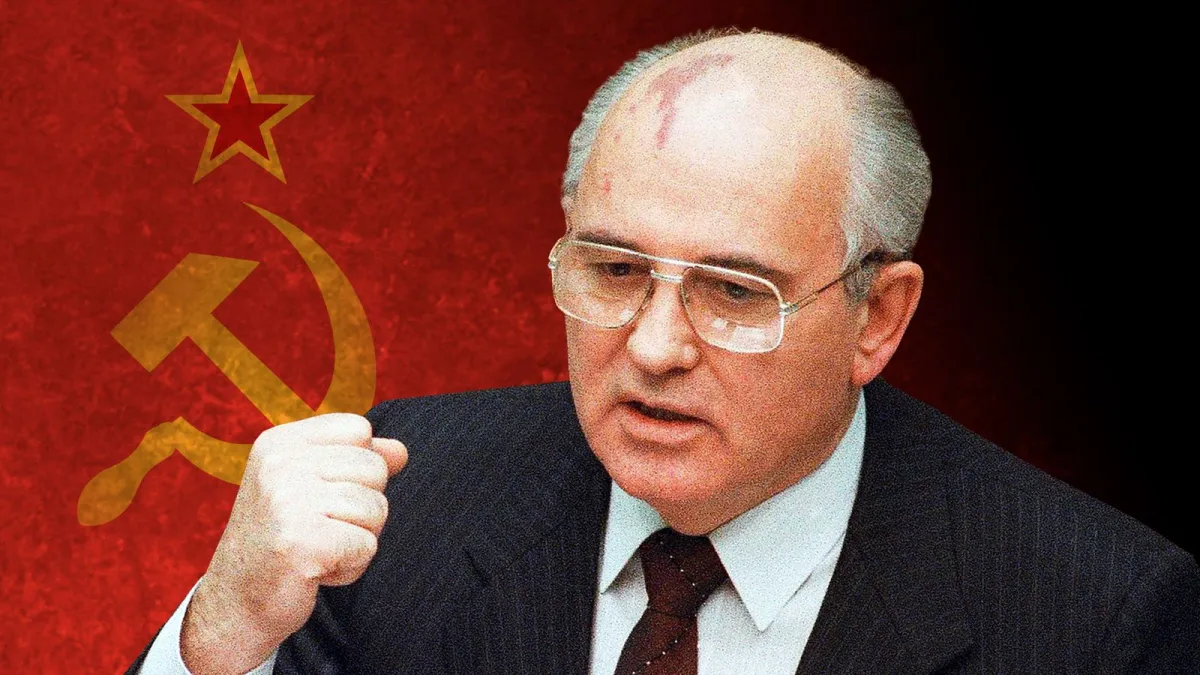 Photo: Mikhail Gorbachev, via e3.365dm.com
Somewhere in that bureaucratic avalanche, a trademark quietly refused to go down with the ship.
It didn't make headlines. Nobody noticed. And that, as American businesses would eventually discover, was exactly the problem.
How Intellectual Property Survives Political Extinction
To understand how a defunct superpower's trademark can still create headaches for companies in the United States, you need to understand one counterintuitive truth about intellectual property law: trademarks don't automatically expire when their owners do.
Under international trademark frameworks — particularly agreements like the Paris Convention and the Madrid Protocol — registered marks have a legal life of their own. They can be inherited, transferred, licensed, and enforced by successor entities. When a government dissolves, the question of who inherits its intellectual property doesn't get answered by history. It gets answered by lawyers.
In the case of the Soviet Union, Russia emerged as the primary successor state and inherited a substantial portion of the USSR's legal standing, including rights to various registered properties. But not everything was cleanly transferred. Some trademarks fell into what legal scholars describe as "orphaned" status — technically registered, potentially enforceable, but with unclear ownership chains that made them look, from the outside, like abandoned property.
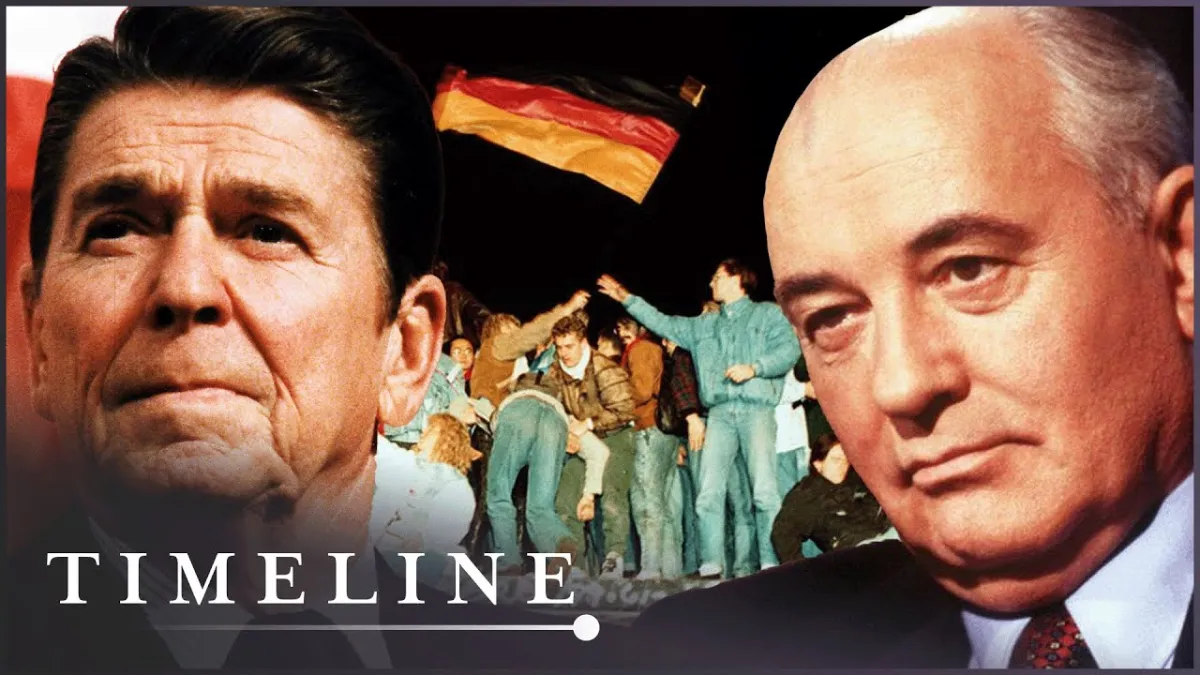 Photo: Soviet Union, via i.ytimg.com
Looking like abandoned property and being abandoned property are two very different things in a courtroom.
The Consumer Product That Kept Its Paperwork
The specific trademark at the center of the most persistent disputes involves a consumer product — a brand that Soviet state enterprises had registered internationally during the Cold War era as part of broader efforts to establish commercial footholds in Western markets. The registration was filed in good faith, maintained through the required renewal cycles, and was fully active when the Soviet Union dissolved.
When Russian successor entities and various privatized companies began sorting through the inherited portfolio of Soviet intellectual property in the nineties and early 2000s, this particular mark resurfaced as something worth holding onto. It had name recognition in certain markets. It had legal standing in multiple countries. And critically, it had never lapsed.
American companies that had been operating in the relevant product category — some of whom had been using similar branding for years under the assumption that Soviet-era registrations were legally moot — began receiving letters from attorneys representing the mark's new claimants.
Those letters were not friendly.
Stateless Law in an American Courtroom
What made these disputes so genuinely bizarre was the legal archaeology required to adjudicate them. Judges and attorneys had to trace ownership chains through the dissolution of a superpower, through the chaotic privatization wave of early post-Soviet Russia, through multiple corporate restructurings, and through the varying ways different countries had treated Soviet successor rights in the intervening decades.
In several cases, U.S. companies argued that the marks were effectively abandoned — that the chain of ownership was too broken, too murky, and too legally questionable to be enforced against American businesses operating in good faith. In some instances, those arguments succeeded. In others, they did not.
The persistent wrinkle is that international trademark law doesn't require a country to still exist for its registered marks to carry weight. It requires documentation, renewal filings, and a claimant who can demonstrate a legitimate connection to the original registration. When those elements are present — even imperfectly, even through a chain of succession that looks more like a legal Rube Goldberg machine than a clean title transfer — the mark can be enforced.
And in the cases where it has been enforced, American companies have faced licensing demands, product rebranding requirements, and in some instances, litigation costs that dwarfed anything the original Soviet trademark was ever worth commercially.
The Immortality of Paperwork
There's something almost philosophically disorienting about this situation. The Soviet Union built intercontinental ballistic missiles, launched the first satellite, and put the first human in space. All of that is history now. But a trademark filing from the same era — a piece of administrative paperwork that any mid-level bureaucrat could have processed in an afternoon — continues to generate active legal disputes in American federal courts.
It outlasted the Communist Party. It outlasted the Cold War. It outlasted the careers of every attorney who originally drafted it.
Legal scholars who study intellectual property succession have used cases like this one to argue for clearer international frameworks around what happens to registered marks when their originating entities dissolve. The current system, they point out, creates genuine uncertainty for businesses operating in good faith and rewards claimants who are willing to do the genealogical work of tracing ownership through collapsed governments.
For now, though, the ghost persists. Somewhere in the filing systems of international trademark databases, a registration that was created by a country that no longer exists continues to cast a legal shadow over American commerce.
The Soviet Union is gone. Its paperwork, apparently, got a different memo.
What This Tells Us About the Law
The deeper lesson here isn't really about Russia or the Cold War. It's about the durability of legal instruments in general — and the way bureaucratic systems, once set in motion, develop a kind of institutional momentum that can outlast almost anything.
Laws, contracts, and registrations are designed to be difficult to undo. That's a feature, not a bug. But it also means that when the entities who created those instruments disappear, the instruments themselves don't always follow. They drift. They float through legal limbo. And sometimes, decades later, they wash up in a courtroom in the United States, demanding to be taken seriously.
Which, as it turns out, they still are.