Twice Dead, Twice Elected: The Mayor Who Won From the Grave (Again)
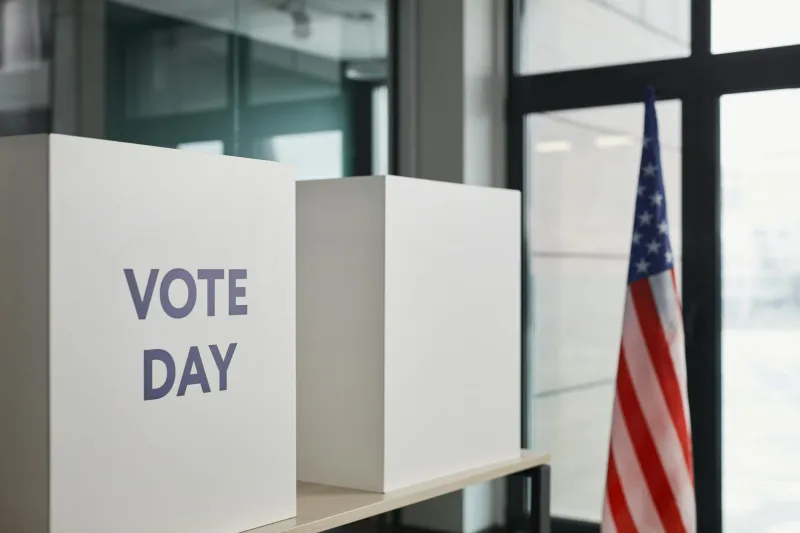
Democracy gets weird in small-town America, but the case of Carl Geary takes electoral oddities to a whole new level. In the tiny municipality of Tracy City, Tennessee, voters faced an unusual dilemma: their preferred candidate had the unfortunate habit of dying before elections, yet somehow kept winning anyway.
 Photo: Tracy City, Tennessee, via livewirecalgary.com
The First Time Death Couldn't Stop Democracy
Carl Geary first made headlines in 2006 when he won election to the Tracy City Board of Mayor and Aldermen—three weeks after his funeral. Geary had been a popular local figure, known for his community involvement and straightforward approach to municipal issues. When he passed away from a heart attack in October, the election ballots had already been printed and early voting had begun.
Local election officials faced a problem they'd never encountered: what do you do when a dead candidate is leading in the polls? Tennessee state law had plenty to say about candidate eligibility, but the legal code apparently assumed candidates would remain alive through election day.
Voters, however, had their own solution. They elected Geary anyway, giving him a decisive victory over his living opponents.
When Bureaucracy Meets the Afterlife
The first posthumous victory created a legal mess that took months to untangle. State election officials had to determine whether a dead person could legally hold office (spoiler alert: they can't), while local residents debated whether they'd rather be governed by Geary's memory or his living opponents.
Eventually, the Tracy City Board appointed someone to fill the vacant seat, but the precedent had been set: in this Tennessee town, death was apparently just a minor campaign setback.
History Repeats Itself (Literally)
Four years later, the impossible happened again. Carl Geary—still deceased—appeared on the 2010 ballot for the exact same position. Due to a combination of administrative oversight and Tennessee's peculiar election laws, his name had made it onto the ballot for a second time.
And once again, voters chose the dead guy.
This time, Geary won by an even larger margin, suggesting that either his posthumous governing record was impressive or Tracy City residents had developed a particular appreciation for the ultimate term limits.
The Voters' Logic (Sort Of)
Interviews with local residents revealed a surprisingly practical rationale behind these seemingly absurd electoral choices. Many voters explained that they preferred Geary's name recognition and past community involvement over unfamiliar candidates. Others admitted they simply trusted his judgment more than the alternatives—even from beyond the grave.
One local resident told reporters, "Carl always did right by this town when he was alive. Figure he can't do much worse than some of these other folks, even if he ain't around to do it."
The Legal Nightmare (Part Two)
Geary's second posthumous victory created an even bigger administrative headache than the first. Election officials now had to explain to state authorities how the same dead person had won the same office twice. The Tennessee Secretary of State's office issued new guidelines specifically addressing deceased candidates, essentially creating the "Carl Geary Rule" for future elections.
 Photo: Tennessee Secretary of State, via static1.srcdn.com
Local officials eventually appointed a replacement again, but not before Geary had technically served two non-consecutive terms without ever attending a single meeting.
Democracy's Strangest Loophole
The Tracy City situation highlighted a bizarre gap in American election law: while states have extensive rules about candidate qualifications, most assume candidates will remain among the living through their terms of office. Geary's double victory exposed how democracy can malfunction in wonderfully weird ways when bureaucracy meets mortality.
The case also demonstrated something uniquely American: voters' willingness to choose familiar dysfunction over unknown alternatives, even when the familiar option happens to be deceased.
The Aftermath
After Geary's second posthumous victory, Tennessee updated its election laws to prevent dead candidates from appearing on ballots. The "Carl Geary amendments" now require regular verification of candidate vital status and provide clear procedures for replacing deceased nominees.
Tracy City eventually elected living candidates to subsequent terms, though local political observers note that Geary's posthumous approval ratings remained remarkably high throughout his non-existent tenure.
The Legacy of Impossible Elections
Carl Geary's double posthumous victory remains one of American democracy's strangest footnotes—a reminder that small-town politics can produce results that would make constitutional scholars weep. His case proves that sometimes the most absurd political outcomes aren't the result of corruption or conspiracy, but simply what happens when ordinary people encounter extraordinary bureaucratic situations.
In Tracy City, they still talk about the mayor who governed from the grave—twice—and somehow made it work better than many living politicians manage with their actual presence.